Event Lighting Design Services That Perform
A stage wash that looks fine in an empty ballroom can fail the moment branding goes live, cameras roll, and guests start moving through the room. That is why event lighting design services are not just about adding color. They are about making every part of the event environment work together - the stage, the audience, the content, the schedule, and the experience.
For planners managing conferences, trade shows, galas, corporate meetings, festivals, or hybrid productions, lighting has a direct effect on how polished the event feels. It supports visibility, reinforces branding, guides attention, and helps a space feel intentional instead of improvised. When lighting is treated as part of the production strategy rather than an afterthought, the entire event performs better.
What event lighting design services actually cover
A professional lighting plan starts long before load-in. It begins with the room, the run of show, the audience sightlines, the presentation content, and the look the client wants to achieve. A well-designed system accounts for keynote speakers, panel discussions, product reveals, sponsor visibility, video capture, scenic elements, and transitions between agenda segments.
Event lighting design services typically include concept development, fixture selection, placement planning, control programming, power coordination, rigging integration, on-site setup, cueing, and show operation. For some events, that scope is relatively simple. A leadership meeting in a hotel ballroom may need clean front light, branded uplighting, and a stage wash that keeps presenters camera-ready. A festival or large general session may require moving lights, truss structures, audience effects, blinders, atmospheric support, and a far more detailed cue structure.
That difference matters. Good lighting is never one-size-fits-all. The right design depends on what the event needs to do.
Why lighting affects more than appearance
Lighting changes how people read a room. It tells attendees where to focus, when something important is happening, and whether the event feels premium, clinical, energetic, or understated. In corporate environments, that control is especially valuable because the audience is often splitting attention between speakers, screens, stage action, and networking activity.
If the lighting is too flat, the room can feel lifeless even when the content is strong. If it is too aggressive, it can distract from presentations, overpower branding, or create problems for IMAG and recording. In medical, pharmaceutical, and executive settings, subtlety often matters more than spectacle. In a product launch or awards show, stronger visual contrast may be the right move. The answer depends on audience expectations, venue conditions, and the purpose of the event.
This is where experienced production support makes a difference. A lighting design should never compete with the message. It should support it.
Event lighting design services for different event formats
Different event types demand different priorities. A conference general session needs strong presenter visibility, clean stage definition, and consistent looks that hold up across multiple speakers and content formats. Breakout rooms require practical lighting that keeps sessions professional without overbuilding the space. Trade show environments often need booth lighting, scenic highlighting, and controlled emphasis on featured products or demo areas.
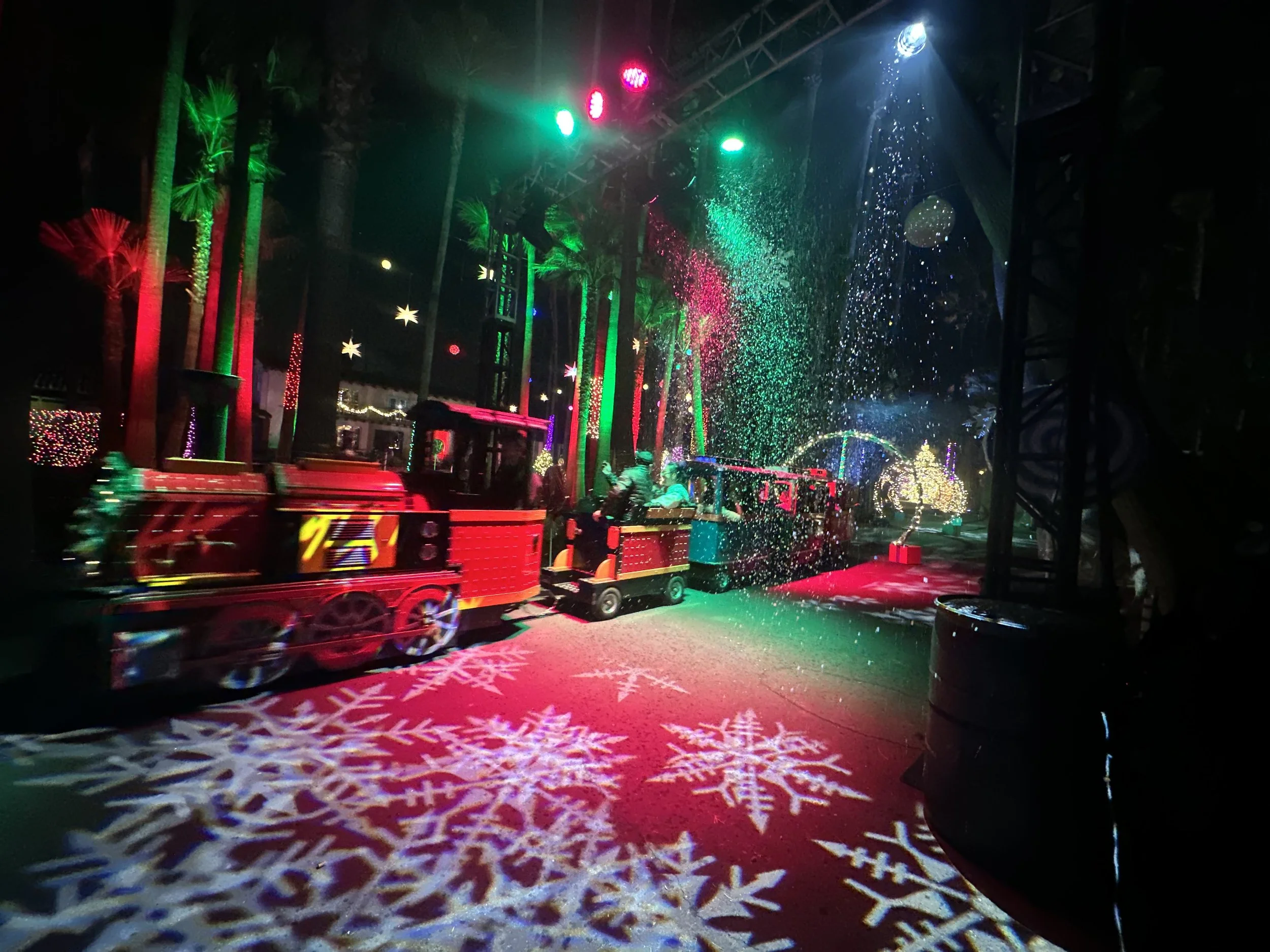
Galas and private functions usually lean more heavily on atmosphere. That may include warm room tones, textured lighting on walls, pin spotting for centerpieces or auction items, and dramatic transitions between reception, dinner, and entertainment segments. Festivals and outdoor events introduce another layer of complexity because ambient light, weather exposure, power distribution, and sightline distances all become part of the design process.
Hybrid events add further requirements. Lighting that looks acceptable in person may not translate well on camera. Skin tones, screen balance, contrast levels, and background separation all matter more when remote audiences are involved. In those environments, the lighting design has to serve both the room and the broadcast image.
What to expect from a professional lighting partner
A reliable provider should be able to move from creative intent to technical execution without creating more work for your team. That means asking the right questions early, identifying venue limitations before they become show-day issues, and building a plan that supports the full event scope.
The strongest event lighting design services are tied closely to the rest of production. Lighting affects staging, truss, power, scenic placement, LED wall visibility, projection performance, and camera coverage. Treating those systems separately can lead to conflicts that show up during rehearsals, when changes are expensive and time is limited.
A full-service production partner can coordinate those details in advance. Instead of managing separate vendors for lighting, AV, rigging, staging, and show operation, planners get a more unified approach. That reduces handoff problems and helps protect timing, budget, and presentation quality.
At T-REV Productions, that integrated production mindset is central to how complex events get executed. The goal is not simply to provide fixtures. It is to deliver a lighting solution that works in the real conditions of the show.
How lighting design supports brand impact
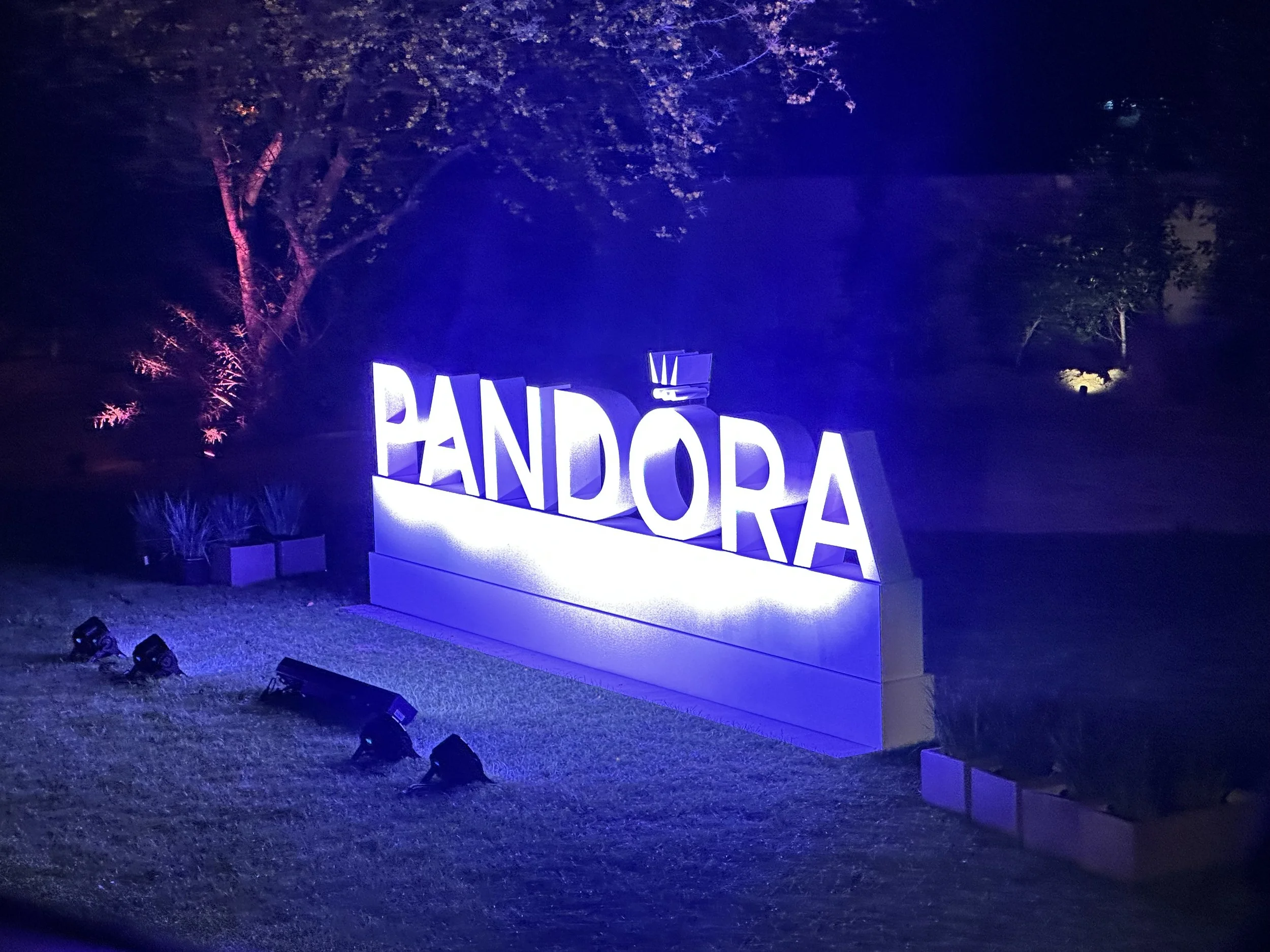
For corporate and branded events, lighting is one of the fastest ways to make a space feel custom. Brand colors can be layered into walls, scenic elements, stage edges, entrances, lounges, and sponsor zones. A consistent lighting approach helps the event feel intentional from the first guest arrival through the final session.
That said, brand alignment is not just a matter of matching colors. Some colors reproduce poorly on certain surfaces. Some tones look different on camera than they do in the room. Deep saturation can reduce legibility, flatten scenic detail, or create unflattering speaker light if it is used carelessly. A good design balances brand identity with practical visibility.
This is especially important when presentations include slides, video playback, confidence monitors, or live camera feeds. Lighting should frame the content, not wash it out. The room needs enough energy to feel produced, but enough control to keep key information readable and presenters clearly visible.
The planning details that prevent show-day problems
Most lighting problems are not really lighting problems. They are planning problems that surface through lighting. Low rigging points, limited venue power, late agenda changes, scenic revisions, unsupported room turns, and unclear camera requirements can all affect the final result.
That is why pre-production matters. Site checks, plot development, fixture schedules, power planning, cue strategy, and coordination with other departments are what allow a design to hold up under pressure. If a general session becomes an awards dinner two hours later, the lighting system has to support that transition. If a keynote includes walk-on music, custom video, and audience interaction, the cue structure needs to be ready for it.
There is always a balance between ambition and efficiency. Not every event needs a large moving light package or layered atmospheric looks. Sometimes the smartest design is restrained, clean, and highly functional. Other times, the brief calls for stronger visual impact. The right production partner will guide that decision based on format, budget, venue, and audience expectations rather than forcing a standard package onto every show.
Choosing event lighting design services with confidence
If you are evaluating providers, look beyond fixture counts. Equipment matters, but execution matters more. Ask how the lighting plan will support your agenda, your content, your room layout, and your audience experience. Make sure the provider can scale with the event, integrate with audio and video systems, and adapt when conditions change.
A dependable partner should be able to explain the logic behind the design in practical terms. What will the audience see? How will presenters be lit? How will the room transition between segments? What happens if the schedule shifts or the venue has constraints? Clear answers to those questions usually tell you more than a gear list ever will.
The best event lighting design services do two things at once. They make the event look better, and they make the event run better. When lighting is planned with technical precision and executed with the full production picture in mind, your audience notices the result even if they never think about the fixtures overhead.
If the goal is a room that feels polished, focused, and built for the moment, lighting deserves a seat at the planning table early. That is where better event experiences start.