
Wireless Microphone Rental for Events
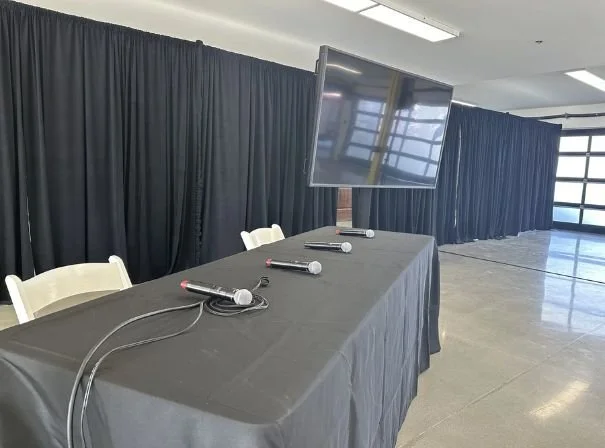
A keynote starts, the walk-on music fades, and the first speaker steps on stage with a handheld mic that cuts out halfway through the opening line. That is usually the moment everyone in the room remembers that wireless microphone rental for events is not just about having enough microphones. It is about choosing the right system, coordinating frequencies, and making sure every presenter, panelist, performer, and moderator can be heard clearly without technical distractions.
For corporate meetings, conferences, trade shows, galas, medical events, and live productions, wireless microphones give your event more flexibility on stage and a cleaner experience for the audience. Speakers can move naturally. Panel discussions feel less rigid. Q&A runs faster. But wireless audio only works well when the planning behind it is equally strong.
Why wireless microphone rental for events matters
The main advantage is mobility, but that is only part of the value. Wireless systems reduce cable clutter on stage, support dynamic presentations, and help keep camera shots cleaner for hybrid and recorded events. In breakout rooms, general sessions, and exhibit halls, that flexibility can make a visible difference in how polished the program feels.
There is also a practical side. Different event formats call for different microphone types, and the wrong choice can create avoidable problems. A handheld wireless mic may be perfect for audience Q&A and emcee work, but not ideal for a presenter who needs both hands free. A lavalier may look discreet on camera, yet it can be the wrong fit for a high-energy speaker who turns frequently or wears clothing that creates rustling noise. A headset can deliver excellent gain before feedback, but some clients prefer a lower-profile look for executive presentations.
That is why the rental conversation should start with the run of show, not the gear list.
Choosing the right wireless microphone setup
A reliable wireless system starts with matching the microphone to the speaker, the venue, and the format of the session. There is no single package that fits every event.
Handheld wireless microphones
Handhelds are a strong choice for emcees, audience participation, moderated discussions, and performances. They are easy to pass, easy to manage, and familiar to most users. If you are running a town hall, awards presentation, or live Q&A, handheld wireless microphones usually offer the quickest and most dependable workflow.
The trade-off is that they require the user to manage mic position. Some speakers do this well. Others drift too far off axis, which affects volume and clarity. For experienced presenters, that may not be an issue. For general attendees during Q&A, a technician or floor manager often helps keep things moving.
Lavalier wireless microphones
Lavs are popular for keynote speakers, panelists, and presenters who need a clean visual profile and hands-free operation. They work especially well for corporate events, medical presentations, and general sessions where the speaker remains mostly forward-facing.
Placement matters. Clothing type, jewelry, and movement can all affect sound quality. Lavs also require more setup attention than many clients expect. When fitted properly, they are discreet and effective. When rushed, they can pick up fabric noise or inconsistent levels.
Headset wireless microphones
Headsets are often the best option when speech clarity and consistent pickup matter more than appearance. They are common in fitness presentations, live demonstrations, energetic stage presentations, and environments where presenters turn their heads frequently.
They are not always the first choice for executive-facing events because some clients want a less visible mic. Still, for reliability and intelligibility, a headset often outperforms a lavalier.
What event planners should look for in a rental partner
When you evaluate wireless microphone rental for events, the equipment brand and model matter, but the support behind the system matters just as much. Wireless audio is one of the areas where strong preparation prevents expensive problems.
A capable production partner should ask how many simultaneous microphones you need, whether sessions overlap, if the venue has other RF activity nearby, and whether the event will be recorded or streamed. They should also understand room layout, speaker transitions, breakout schedules, and the difference between a ballroom keynote and an exhibit-floor presentation.
This is where a full-service production team adds value. Instead of treating microphones as isolated rentals, they can build the audio plan around your full event environment - speakers, playback, confidence monitors, video capture, streaming feeds, staging, and room changes included.
Frequency coordination is where reliability starts
Most microphone failures blamed on equipment are actually planning failures. Wireless systems operate in a crowded RF environment, especially in hotels, convention centers, urban venues, and trade show settings. Add intercoms, in-house Wi-Fi, LED walls, nearby events, and client devices, and the room becomes more complex than it looks.
Proper frequency coordination helps avoid interference, dropouts, and channel conflicts. It also becomes more important as your microphone count increases. A two-mic boardroom setup is one thing. A multi-room conference with keynote sessions, breakout rooms, roaming Q&A, and press activity is another.
If your event includes several wireless microphones at once, do not treat setup as plug-and-play. You need a coordinated system and a team that knows how to deploy it correctly.
Common event use cases and what they require
Different event types put different demands on wireless audio. Conferences usually need a mix of lavaliers for presenters, handhelds for moderators, and additional handhelds for audience questions. Trade shows may need compact systems that work in high-interference environments with frequent presenter turnover. Galas often combine podium mics, wireless handhelds, and playback coordination for awards and entertainment segments.
Medical and pharmaceutical events typically place a premium on speech intelligibility, consistent levels, and support for panel discussions or recorded content. Festivals and outdoor programs add distance, weather considerations, stage traffic, and higher RF complexity. Hybrid events introduce another layer because the audio must work for the in-room audience and remote viewers at the same time.
That is why equipment quantity alone is not enough. The configuration has to match the event objective.
Wireless microphone rental for events and on-site technical support
For smaller meetings, a straightforward rental package may be all you need. For high-visibility programs, on-site support is often the safer choice. Speaker changes, battery management, mic swaps, last-minute agenda updates, and live troubleshooting all happen in real time.
An audio technician keeps those details from becoming visible to your audience. They can ring out the room to reduce feedback, monitor RF performance, manage mute states, coordinate transitions, and respond before minor issues turn into program interruptions. If your event matters enough to protect the audience experience, technical support should be part of the conversation early.
This is especially true when wireless microphones are integrated into a larger production package. If your event includes PA systems, confidence monitors, video playback, streaming, recording, or multiple rooms, it helps to work with one team that can manage the full signal path. T-REV Productions supports that kind of integrated planning so clients can secure the right equipment and the technical execution behind it.
Questions to settle before you request a quote
You will get a better recommendation faster if you can define a few basics up front. Start with the number of presenters and how many microphones need to be live at once. Then consider whether speakers are stationary or moving, whether the event is indoors or outdoors, and whether any sessions are being recorded, streamed, or reinforced across multiple rooms.
It also helps to know if you need audience Q&A support, how quickly presenters rotate on and off stage, and whether wardrobe or branding requirements affect microphone visibility. A headset may be the right technical answer, but not the right visual answer. A lavalier may look better, but not perform as consistently for a high-movement speaker. Those trade-offs are easier to solve before show day.
The best rental decision is rarely the cheapest one
Low-cost wireless packages can look attractive on paper, especially for planners balancing multiple vendors and tight budgets. But when audio fails, the cost shows up somewhere else - delayed sessions, distracted audiences, unhappy stakeholders, and a production team forced into reactive fixes.
Professional wireless microphone rental for events is really about risk reduction. You are investing in clear communication, confident presenters, and an event that feels controlled from the first mic check to the final closing remark. The right setup gives your speakers freedom. The right support gives you peace of mind.
If your event has an audience, a message, and no room for technical guesswork, wireless audio deserves the same level of planning as every other critical production element. Get the microphone strategy right, and the room pays attention to what is being said instead of what went wrong.